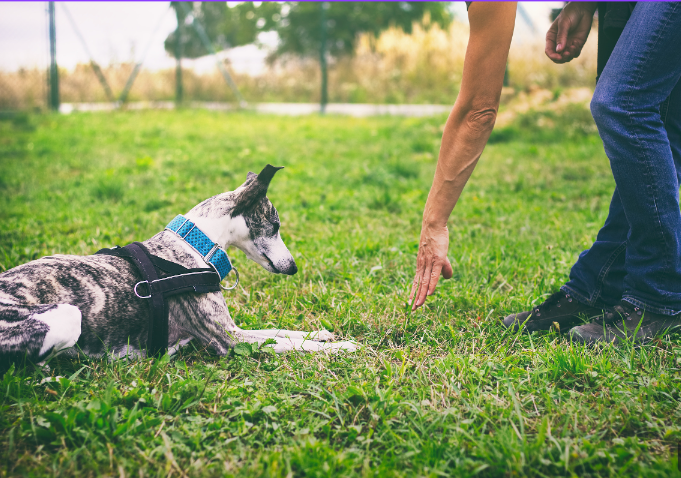
Luring, capturing, and shaping.
Learning new skills or even tricks can be a challenging but rewarding experience for both you and your dog. There are many different techniques and methods that you can use to teach your dog new things, but three of the most common methods are shaping, luring, and capturing. Remember it is essential to always use kind, humane and reward-based methods when you train your dog.
Luring
Luring involves using a treat or other reward to guide your dog into performing the desired behavior. For example, if you want your dog to sit, you might hold a treat above their head and move it backwards, causing them to follow the treat with their nose and sit down. Once they are in a sitting position, you can reward them with the treat. Here’s a video of part of the process of me teaching my dog to play dead and I am using luring: https://youtu.be/lco8NlS4kv4
It’s important to fade out the food lure as soon as you can, or you risk having the dog only performing the behaviour when they have a treat in front of their nose.
Luring is probably the most popular dog training technique and this technique can be a good way to get started if you are a beginner.
Capturing
Capturing involves catching your dog in the act of performing the desired behavior and rewarding them for it. This method is useful for behaviors that your dog naturally performs, such as sitting or lying down.
For example, if you want to teach your dog to do a down on cue, you wait until they naturally lie down and then mark with a “yes” or “good” and reward them with a treat. You can then start adding a cue which could be a verbal “down” or a hand signal (or both) when the behavior is performed. Over time, your dog will learn to associate the cue with the behavior and be able to perform it on cue.
With capturing it is best to start with very simple behaviors that dogs naturally do. It can be a sit, yawn, down, stretch, head tilt, sneeze or even a bark (speak). Be careful with the bark though or you will have to teach them a “quiet” also. 😉
Shaping
Shaping involves rewarding your dog for performing behaviors that gradually build up to the desired behavior. This method requires patience and consistency, as you reward your dog for any behavior that is a step in the right direction. For example, if you want your dog to learn to roll over, you might first reward them for lying down, then for turning their head, then for rolling onto their side, and so on until they are able to complete the full roll over.
Here’s a video of me shaping my dog – the end goal is for her go to the mat and lie down, but this is something she needs to figure out by me rewarding her behaviors that get her closer to the end goal: https://youtu.be/hNwkfc4_fMI
Shaping does not always have to have a concrete end goal. You can also use it to work with your dog to develop new tricks. Let your dog get creative by rewarding them for any interesting behaviors that they may offer. This is actually great enrichment and mental stimulation for your dog.
Be sure to reward even the tiniest of steps and have impeccable timing. If you are a beginner at dog training, I’d probably advise not to use shaping until you have practiced your timing in marking and rewarding.
Which method to choose
Each of these methods has its own advantages and disadvantages, and the best method for your dog will depend on their personality, learning style, and the behavior you are trying to teach. By understanding the differences between shaping, luring, and capturing, you can choose the method that is most effective for your dog and you may have to try the different methods to see what suits you and your dog the most.
Most importantly, don’t forget to have fun with your dog in the process of teaching them new behaviors and tricks. And if they get tired, or seemingly don’t want to perform a specific behavior, take a break, play a game, go for a walk, and then come back and try again later. Never force the issue – listen to your dog.
Enjoy the training 🙂

No responses yet